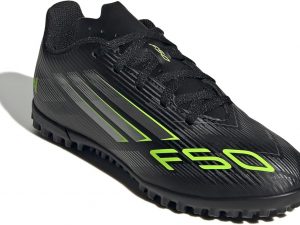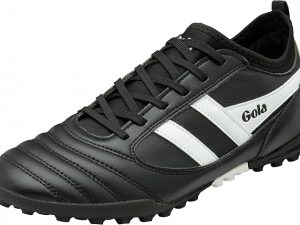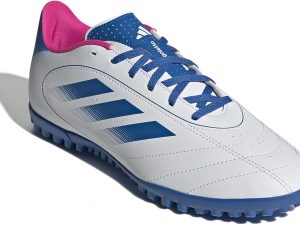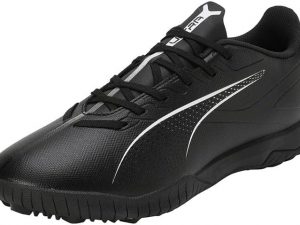
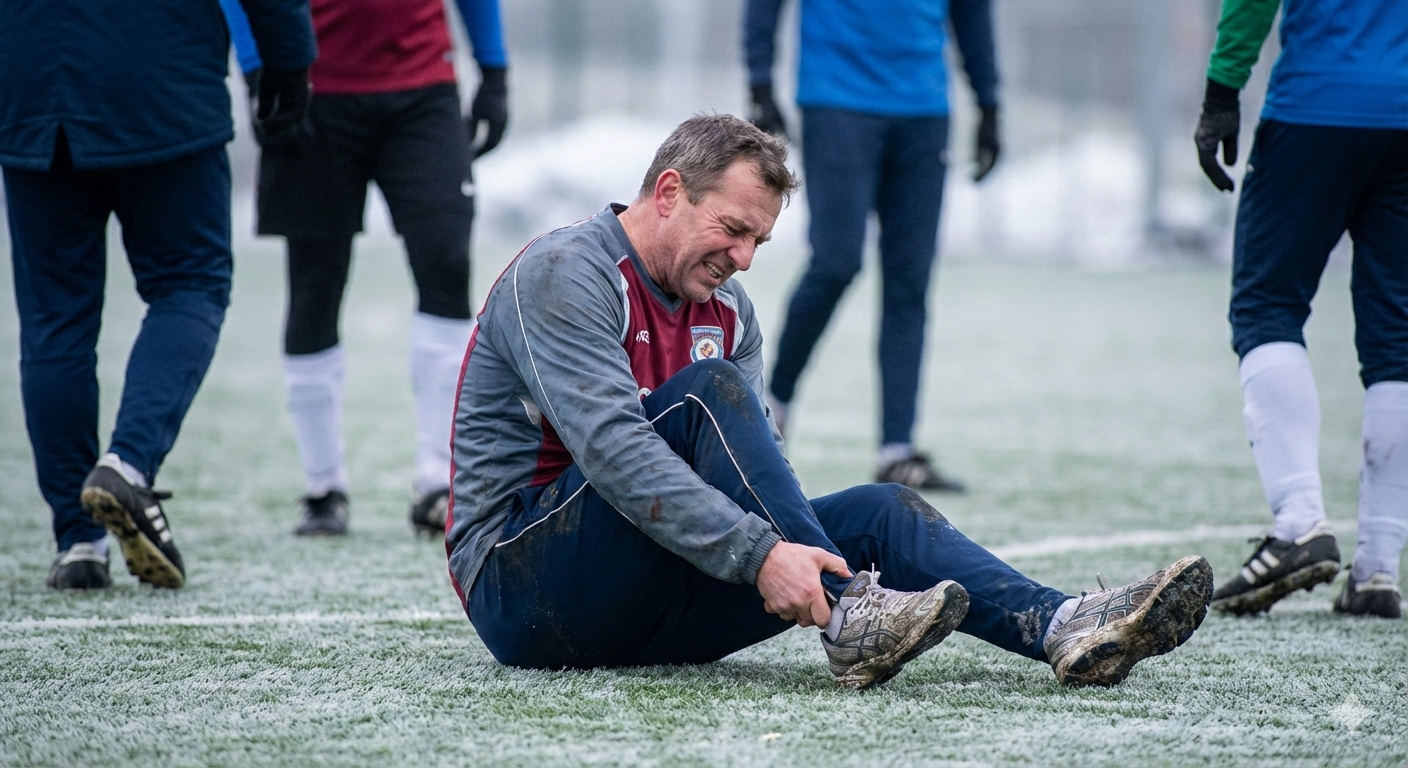
The Crucial Role of Astroturf Boots: Keeping Older Players Safe, On and Off the Ball
However, as participants age, the simple act of staying on your feet becomes paramount. A slip that might be a momentary embarrassment for a younger player can lead to a serious, confidence-shattering injury for someone older. For older players taking part in sports on artificial turf pitches (3G, 4G, or sand-based astro), especially during the cold, wet, and often icy conditions of winter, the single most critical piece of safety equipment is often the most overlooked: their footwear.
Why Winter Astroturf Is a Hazard
Artificial turf surfaces, particularly the older, sand-filled types, react dramatically to weather changes.
- Reduced Friction: Cold, damp conditions—common from autumn through spring—significantly reduce the natural friction of the synthetic grass fibres.
- Surface Slickness: Even a light frost, dew, or patchy rain can create a deceptively slick layer on the surface, turning a stable pitch into an ice rink waiting to happen.
- Unexpected Movement: Walking football, in particular, involves constant changes in direction, quick stops, and pivots. These movements, even at walking speed, demand multi-directional grip.
When coupled with the slightly reduced reaction times and potential balance shifts that naturally occur with age, playing in standard trainers or flat-soled shoes on a slick pitch is a recipe for a fall.
The Problem with Standard Trainers
Many social players arrive at the pitch in comfortable running trainers or standard court shoes. While comfortable for walking to the pitch, these shoes are dangerous on the pitch for several reasons:
- Lack of Grip Depth: Running shoes or cross-trainers are designed for asphalt, pavement, or gym floors. Their tread patterns are too wide and shallow to properly penetrate and engage with the short, dense fibres of an artificial pitch.
- Poor Water Displacement: They offer minimal channelling for water or ice melt, creating a thin, hydroplaning effect between the sole and the turf.
- Reduced Lateral Stability: The cushioned sides of a running shoe, while great for absorbing impact on a straight line, lack the lateral stiffness required to stop the foot from rolling during a sidestep or sudden change of direction, a necessary move even in walking football.
An Investment in Injury Prevention
For the older athlete, a fall is not just painful; it can lead to fractures, dislocations, or muscle tears requiring long rehabilitation. Beyond the physical damage, a bad fall often leads to a loss of confidence, resulting in players retreating from the sport they love.
Wearing the correct boots is not just about performance; it’s about fall prevention and long-term participation.
Even if you only play socially or during warmer months, your astroturf boots are an insurance policy for your joints. The grip they provide is consistent, reliable, and designed to counteract the slickness, uneven wear, and compaction of synthetic surfaces all year round.
If you are currently playing on astroturf in anything other than dedicated turf boots, make the upgrade now. It is the single best step you can take to ensure your playing career continues well into the future, injury-free. Keep your footing, enjoy the game, and stay social.
The Solution: Dedicated Astroturf (TF) Boots
Astroturf boots, often labelled as ‘TF’ (Turf), are specifically engineered for these synthetic surfaces. They are the essential link between player and pitch, providing the necessary stability.